Account
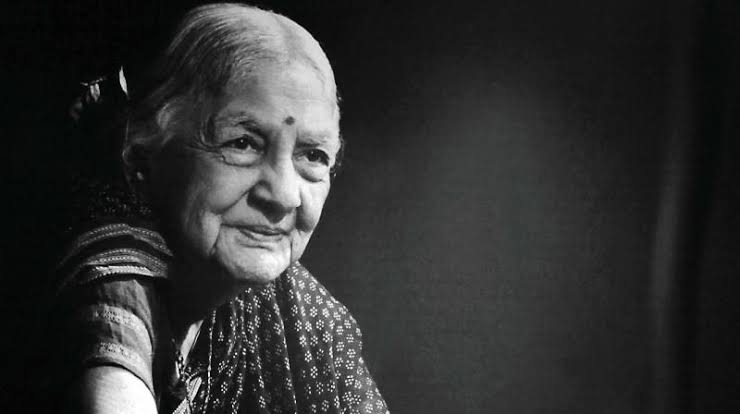
The following article is part of the Trailblazing Women of India series. A series presented by The AIDEM, exploring the lives and ideas of women who played a decisive role in shaping India’s social, political, and intellectual history.
The AIDEM underscores the enduring contemporary relevance of revisiting the lives of these women leaders and the ideas they championed. Click here to watch the video.
Picture this: It’s 1930. A 27-year-old woman stands before Mahatma Gandhi, telling him he’s making a historic mistake.
Gandhi is planning the Salt March. His vision? Men march and women stand on street corners selling salt and singing songs.
Kamaladevi Chattopadhyay says: No.
“Women have stood shoulder to shoulder with men, building the Congress party. They deserve to march,” she insists.
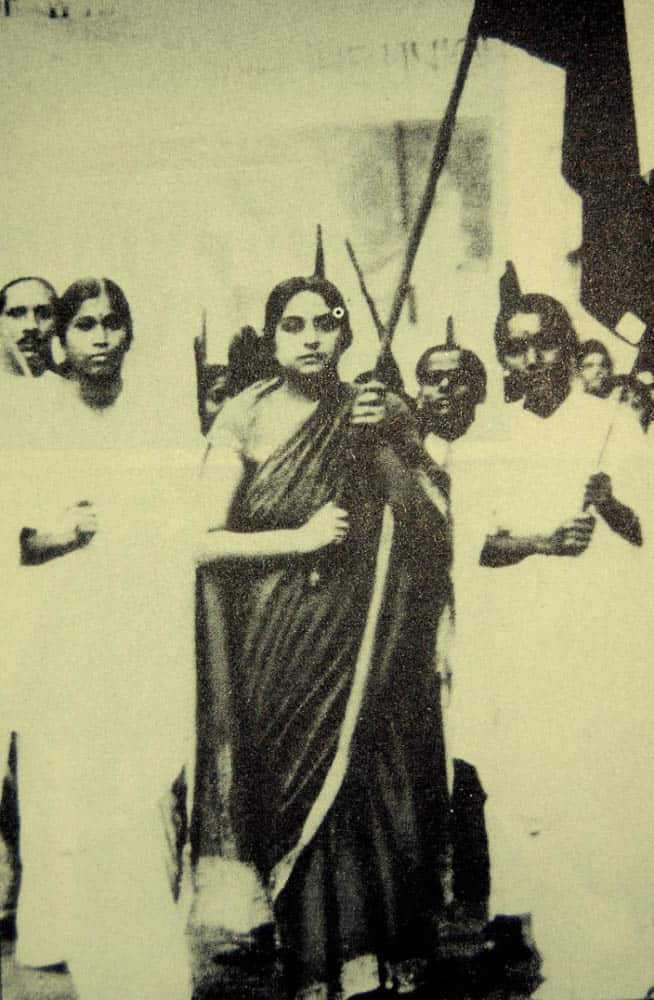
Gandhi concedes. But she’s not finished. “Issue a formal call to action.”
“Why?” Gandhi asks. “Don’t you know your sisters?”
Her response? Pure political genius: “Because history will record that YOU called them to participate.”
History did record it. Women marched beside Gandhi, breaking salt laws. Kamaladevi became one of the first women arrested for civil disobedience. She auctioned “freedom salt” at the Bombay Stock Exchange for Rs. 501. On January 26, 1930, she clung to the Indian tricolour during a scuffle with authorities, refusing to let go.
Who was this woman bold enough to challenge Gandhi?
Born in 1903 in Mangalore, married at fourteen, widowed at sixteen. She remarried—scandalous. She divorced—one of India’s first civil divorces. In 1926, encouraged by Margaret Cousins, she became the first woman to contest a legislative office, losing by just 55 votes. In 1927, she founded the All India Women’s Conference as its organizing secretary.
In 1936, she became a founding member of the Congress Socialist Party, working alongside Jayaprakash Narayan and Ram Manohar Lohia. Yet when we celebrate Indian socialism, we remember only the men.
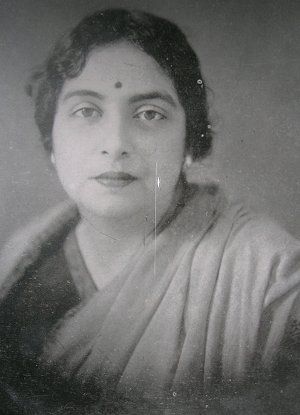
Her ideas were revolutionary. She connected capitalism, imperialism, and women’s subjection: “This imperial capitalist system encourages endless wars and expects women to produce children who become soldiers.” She challenged glorified motherhood itself.
In the 1930s—decades before global women’s liberation—she championed bodily autonomy and birth control. Not for population control, but for women’s choice. She traveled to America, worked with Margaret Sanger, and in 1951 established India’s first family planning commission centered on women’s autonomy.
She championed what we now refer as feminist economics, preceding the Feminist Care Ethics Debate by decades. She documented sexual division of labor, wage discrimination, and systematic underpayment of women workers in industrial and agricultural sectors—when labor movements barely acknowledged women as workers.
Interestingly, she refused the label “feminist,” understanding that in her hostile patriarchal environment, strategic pragmatism mattered. But her ideas? Profoundly feminist.
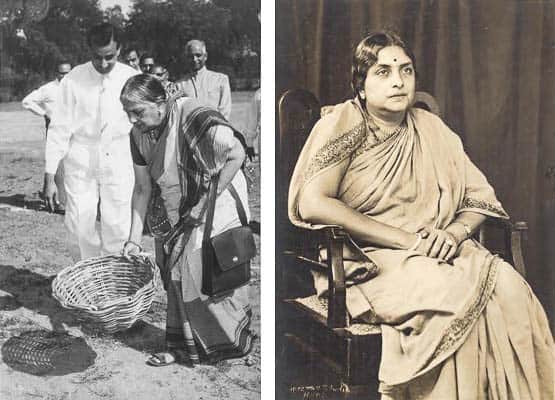
After Partition, heartbroken, she resettled 50,000 refugees from the North-West Frontier Province, helping create Faridabad—independent India’s crucial early industrial township. In 1948, she founded and led the Indian Cooperative Union for the rehabilitation of the refugees.
Her greatest legacy? Reviving India’s dying crafts as economic empowerment. As chairperson of the All India Handicrafts Board for twenty years, she understood that handicrafts meant livelihoods for millions, grassroots democratic participation, and India’s answer to exploitative industrialization.
Her institutions still stand: Indian National Theatre established in 1944, which later became National School of Drama, All India Handicrafts Board established in 1952, Sangeet Natak Akademi in 1953, Crafts Council of India in 1964, and Delhi’s Crafts Museum in 1967. She made Indian handicrafts a major export, serving as an Advisor to the World Craft Council and first President for the Asia-Pacific Region.
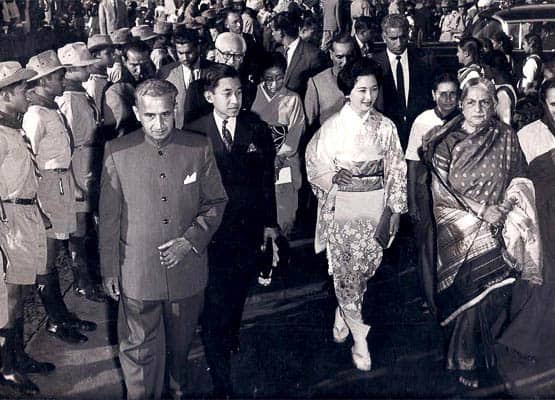
From UNESCO Awards to the Padma Vibhushan, her legacy endures in every artisan earning a dignified living today.
Kamaladevi died in 1988, but her question echoes: What does freedom mean without bodily autonomy, economic independence, and cultural sovereignty?
As you explore her work—and I hope you will—ask yourself: What would Kamaladevi be fighting for today?