Account
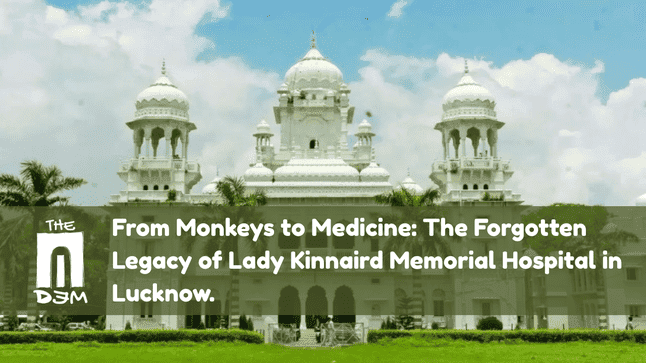
It was in this spirit that a casual exchange with my colleague Nadeem Murtaza at the High Court rekindled this passion. His query, whether I had ever heard of “Douglas” or “Kinnaird Hospital” of Lucknow was not a passing remark, but a spark that illuminated a forgotten chapter of Lucknow’s medical heritage. His mother, Zahida Auntie, had often spoken of it, pointing to the site near today’s Lari Cardiology Centre, where the geriatric and mental health departments of KGMU (King George Medical University) now stand. That conversation became the bridge between my inherited love for inquiry and the living memory of our city, compelling me to delve into archives and dissertations, and to uncover the remarkable story of a hospital that once stood shoulder to shoulder with Queen Mary and Lady Dufferin Hospitals in Lucknow.
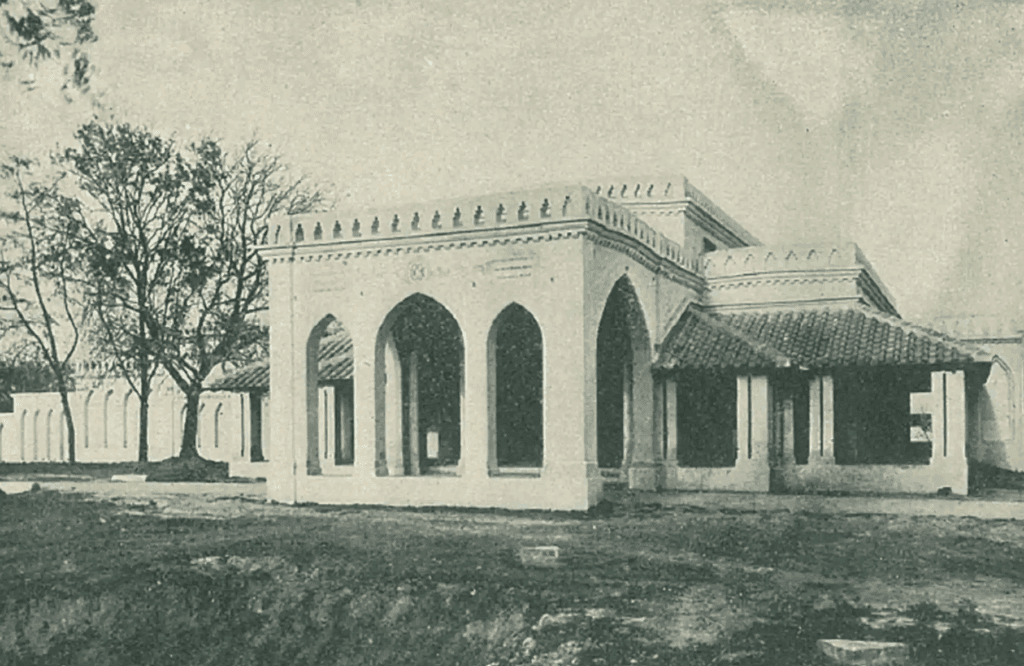
The story begins in 1875, when Elizabeth Bielby, a nurse sent by the Zenana Mission Society, began her medical mission near Lucknow. Though beset by tragedy, her sister Alice died soon after arrival, and Bielby herself fell gravely ill, the mission still endured. By 1891, through the efforts of Dr. Grace Mackinnon, the Lady Kinnaird Memorial Hospital was established on government-granted land, named after Lady Kinnaird. She was a devout Presbyterian philanthropist remembered for founding the YWCA.
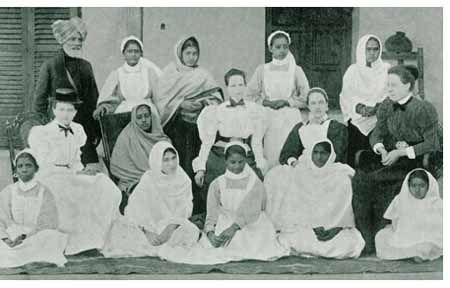
In 1910, Dr. Ethel Douglas took charge, and for the next 36 years she transformed the institution, expanding facilities, raising standards, and establishing training protocols that led to the North India Board of Examiners and State Registration Councils. Her dedication earned her the Kaiser-i-Hind Medal in Gold in 1927, and government grants that enabled new wards and modern equipment. As Beth Bullock Spencer’s dissertation records, Douglas’s “extraordinary influence” kept the Lucknow hospital “overflowing,” even as she grappled with challenges ranging from reluctant purdah patients to the infamous monkey menace.
“Even the veteran doctor Ethel Douglas struggled to find a solution to the monkey problem, for some of the local people regarded the monkeys as sacred; harming the monkeys was out of question. Douglas resorted to shouting and shaking her rifle at the monkeys, but with little effect.”
Snakes, too, were a recurring hazard, and cultural beliefs often complicated medical practice. Patients observing purdah resisted operations, some postponed surgeries at the last minute deeming the hour “inauspicious,” while others consulted village elders who determined
he hospital became a sanctuary for women’s health, normalizing dental extractions, eye surgeries, and maternity care in a city where traditional practices often prevailed.
The British contribution to Lucknow’s health system was profound. Alongside Lady Kinnaird Memorial Hospital, the Lady Dufferin Hospital was established in 1889 under the Countess of Dufferin Fund to provide safe maternity care. Later, the Queen Mary’s Hospital arose in the early 20th century as a centre for women’s medical education. Together, these institutions marked the colonial effort to embed Western medicine into the city’s fabric, particularly for women and children. They were not merely hospitals but symbols of reform, philanthropy, and the gradual acceptance of modern medical practices in a society negotiating tradition and change.
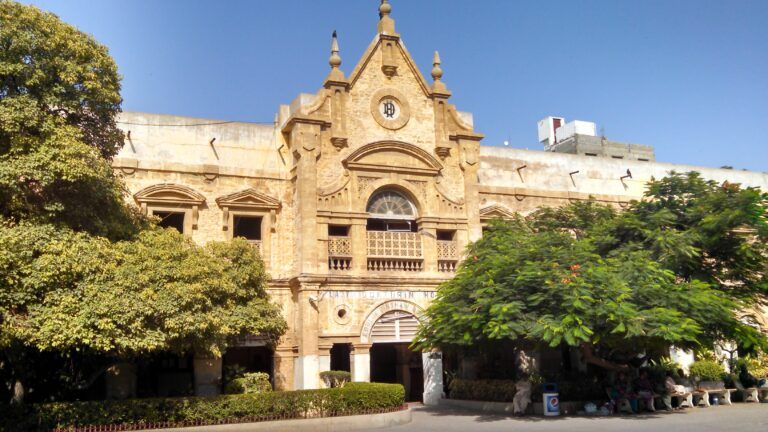
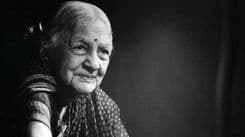
By 1965, however, Lady Kinnaird Memorial Hospital succumbed to financial constraints and closed its doors. In 1971, the site was absorbed into King George Medical College, now popularly known as KGMU, housing its neurosurgical and mental health departments. Today, its memory lingers only in archives and recollections, overshadowed by its contemporaries. Yet, its legacy remains unique – a Christian missionary hospital that combined philanthropy, medical progress, and social reform. A place where doctors braved not only disease but monkeys, snakes, and cultural resistance to bring care to the women of Lucknow. An institution that has produced some of the world’s finest medical professionals, researchers and administrators. The pictures of these alumni are featured below.
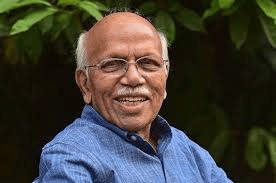
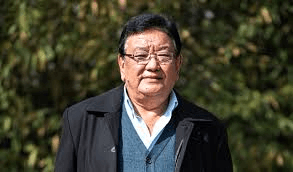
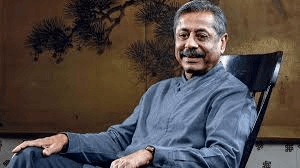
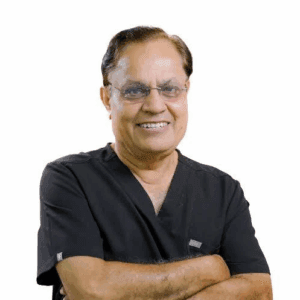
As I reflect upon this heritage, I am convinced that Lucknow’s medical history is incomplete without acknowledging the forgotten jewel that was Lady Kinnaird Memorial Hospital. Its story is not merely of bricks and mortar, but of pioneering women doctors, missionary zeal, and the evolution of healthcare in colonial and post-colonial India. Remembering it is essential to preserving the dignity of our city’s cultural and medical legacy.